

Africa is quickly becoming one of the most exciting regions for digital nomads, combining strong lifestyle, improving infrastructure, and experiences you simply cannot find anywhere else.
From world-class cities like Cape Town to surf towns in Morocco, island life in Cape Verde, and remote landscapes in Namibia, the continent offers a unique mix of productivity and adventure.
This guide breaks down the best places in Africa to live and work remotely in 2026, based on lifestyle, WiFi, cost of living, and overall experience.
Best places in Africa for digital nomads: South Africa (Cape Town + safari), Namibia (focus + nature), Kenya (city + coast), Morocco (culture + proximity to Europe), and Cape Verde (island lifestyle).
Planning a remote work trip across Africa? Start by comparing flights, accommodation, coliving stays, safari stays, and tours before you book, especially if you want to combine more than one destination in the same trip.
Quick answer: the best places in Africa for digital nomads are Cape Town for community and lifestyle, Morocco for proximity to Europe, Cape Verde for island life, Namibia for road trips and nature, Kenya for safari and city access, and South Africa for flexible remote work stays.
Start with these Africa remote work guides:
- Cape Town Digital Nomad Guide
- Cape Verde Digital Nomad Guide
- Coliving in South Africa
- Coliving in Cape Town
- Coliving in Namibia
- Coliving in Kenya
- WiFi in Kruger National Park
Use these guides to compare WiFi, costs, accommodation, safety, seasonality and whether each destination is realistic for remote work.
Choosing the Right Digital Nomad Base in Africa

Africa is not a single-style destination for remote work; each country offers a very different experience depending on your priorities.
Some destinations, like South Africa, give you a complete setup with strong infrastructure, established communities, and the ability to combine city life with nature and safari. Others, like Namibia or Cape Verde, are better suited to slower travel, fewer distractions, and a more focused or lifestyle-led approach.
Choosing the right base depends on how you want to balance work, lifestyle, and travel. The destinations below are the best options right now based on connectivity, community, and overall remote work experience.
South Africa (Best Overall Digital Nomad Destination)
South Africa is the most complete digital nomad destination in Africa, combining strong infrastructure, diverse landscapes, and the ability to build a longer stay without constantly changing countries.
What makes it stand out is the range of experiences you can combine in one trip. You can base yourself in a global city, slow down in a rural coastal setting, and add safari to the mix, all while maintaining a workable remote setup.
There are no fixed dates, so you can arrive at any time of year and shape your stay around your own work schedule.
Read our full guide on Why South Africa is the Ultimate Digital Nomad Destination in 2026
If you are planning a longer stay, it helps to compare flights into Africa, domestic routes, and onward connections early so you can build a flexible itinerary.
Cape Town (Main Digital Nomad Base)
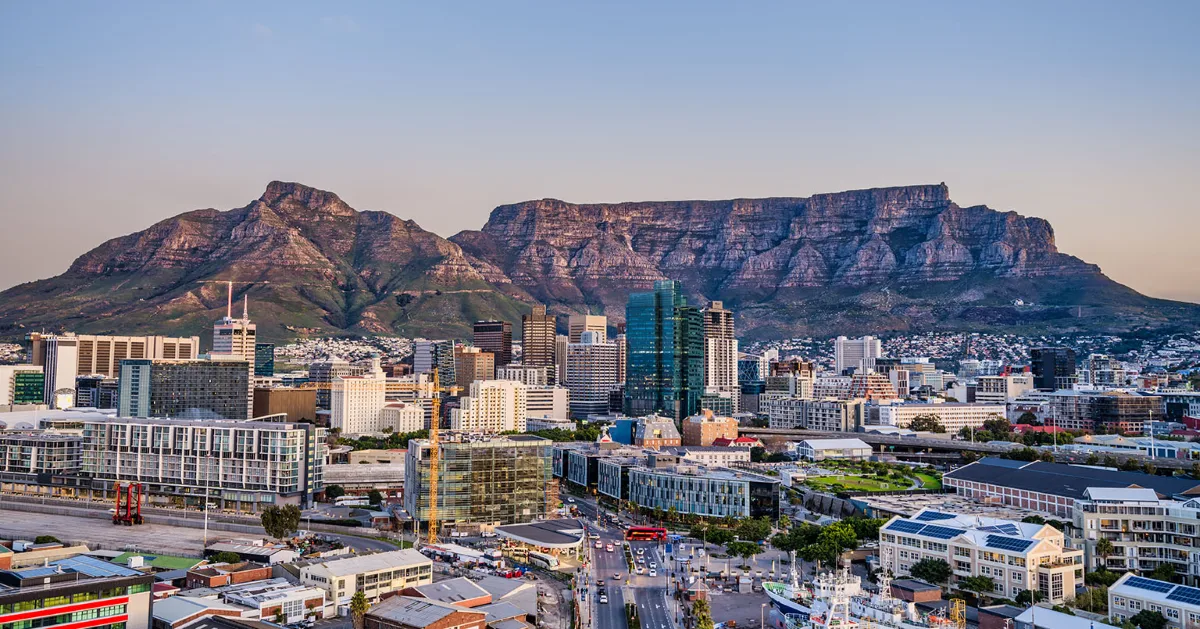
Cape Town is the strongest digital nomad base in Africa and the obvious starting point for many remote workers.
You get reliable fibre internet, a large international community, a wide choice of coworking spaces and cafés, and a lifestyle that combines beaches, mountains, and city living. Areas like Sea Point, Green Point, Gardens, and Woodstock are especially popular because they offer walkability, good cafés, and solid day-to-day infrastructure.
Cape Town works particularly well if you want a productive weekly routine with plenty of variety around it, from coastal drives and wine weekends to hikes and social events.
Explore accommodation and coliving in Cape Town.
Read our full Cape Town digital nomad guide.
Rural Coliving Retreat (Best for Slower Living)
One of South Africa’s biggest advantages is that it is not only about city life. If you want a slower and more grounded remote work experience, a rural coliving retreat adds a completely different dimension to a longer stay.
This kind of setup suits remote workers who want more space, a calmer pace, a stronger connection to nature, and a more intentional sense of community. It is also a good fit if you want to balance focused work time with rest, local experiences, and a less urban environment.
Unlike fixed-date retreats, this style of stay gives you more flexibility. You can come for a shorter reset or stay longer and build it into a broader South Africa trip that includes Cape Town and a safari.
Explore our South Africa retreat options.
Read our full South Africa digital nomad guide.
Kruger Park & Safari (Best for Work + Travel)
South Africa also gives you the rare chance to combine remote work with safari in a practical way.
You can base yourself in Cape Town or at a rural retreat, keep a normal work rhythm, and then add a shorter trip to Kruger National Park or another safari area without turning the whole journey into a full-time holiday.
That balance between productivity and experience is a major reason South Africa stands out from other digital nomad destinations.
Compare safari stays, lodges, tours, and national park experiences
Read more about Wifi in Kruger National Park
If you are building a South Africa itinerary, it makes sense to compare flights, car hire, safari lodges, and guided tours early, especially around popular safari regions.
Why South Africa Works for Remote Workers
South Africa stands out because it gives remote workers variety without too much friction. You can combine city life, coast, countryside, and safari in one country, with enough infrastructure in the right places to make longer stays realistic.
For most digital nomads, it is the easiest entry point into Africa and the country with the strongest overall mix of workability, lifestyle, and experience.
Another major advantage is the introduction of the South Africa digital nomad visa, which is designed to make longer stays more straightforward for remote workers earning income from outside the country. While requirements and timelines can change, the visa is a clear signal that South Africa is actively positioning itself as a long-term destination for digital nomads.
If you are planning to stay beyond a short trip, it is worth understanding how the visa works, what income thresholds apply, and how it fits into your travel plans.
Compare stays across South Africa.
Explore our South Africa digital nomad visa guide.
Namibia (Best for Focus + Nature)
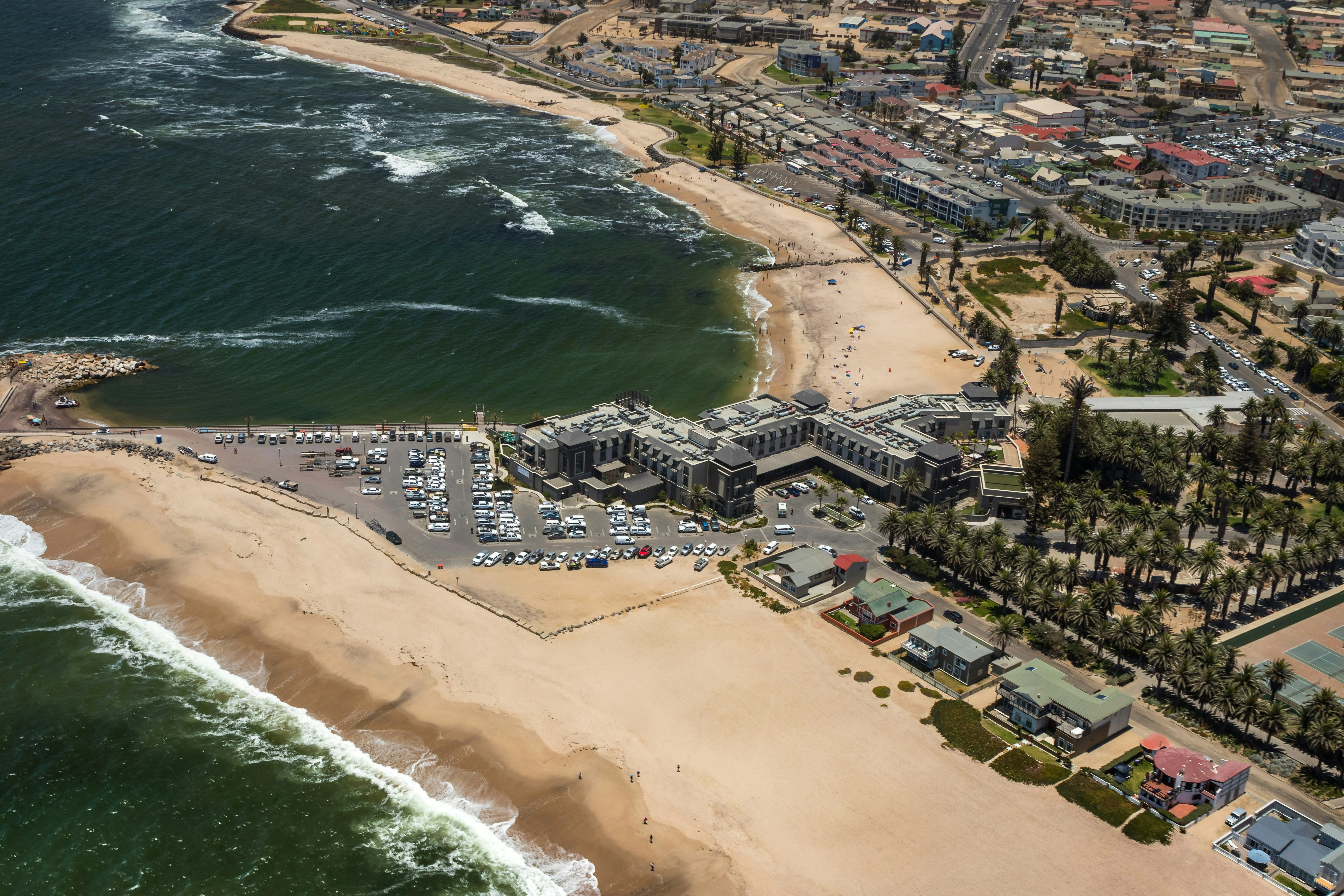
Namibia is one of the most unique remote work destinations in the world, known for its vast landscapes, desert environments, and slower pace of life.
It suits digital nomads who want fewer distractions and more focus, while still being able to plan an extended trip across multiple locations.
A typical route includes Windhoek, Swakopmund, Sossusvlei, and Etosha, giving you a mix of desert, coast, and safari. For road trips and more remote areas, it is often worth comparing car hire options as well, especially in Namibia.
Connectivity is improving but can be inconsistent outside main areas, so planning ahead with a mobile data backup is important if you want to work reliably while travelling.
Namibia also offers a digital nomad visa, making it easier for remote workers to stay longer while working for clients or companies outside the country. The visa is designed for location-independent professionals and is one of the reasons Namibia is starting to attract more long-stay remote workers.
If you are considering spending more time in Namibia, it is worth understanding how the visa works and whether it fits your travel plans.
Compare accommodation & tours across Namibia.
Explore our Namibia coliving options & digital nomad visa guide.
Kenya (Best for City + Coast Balance)
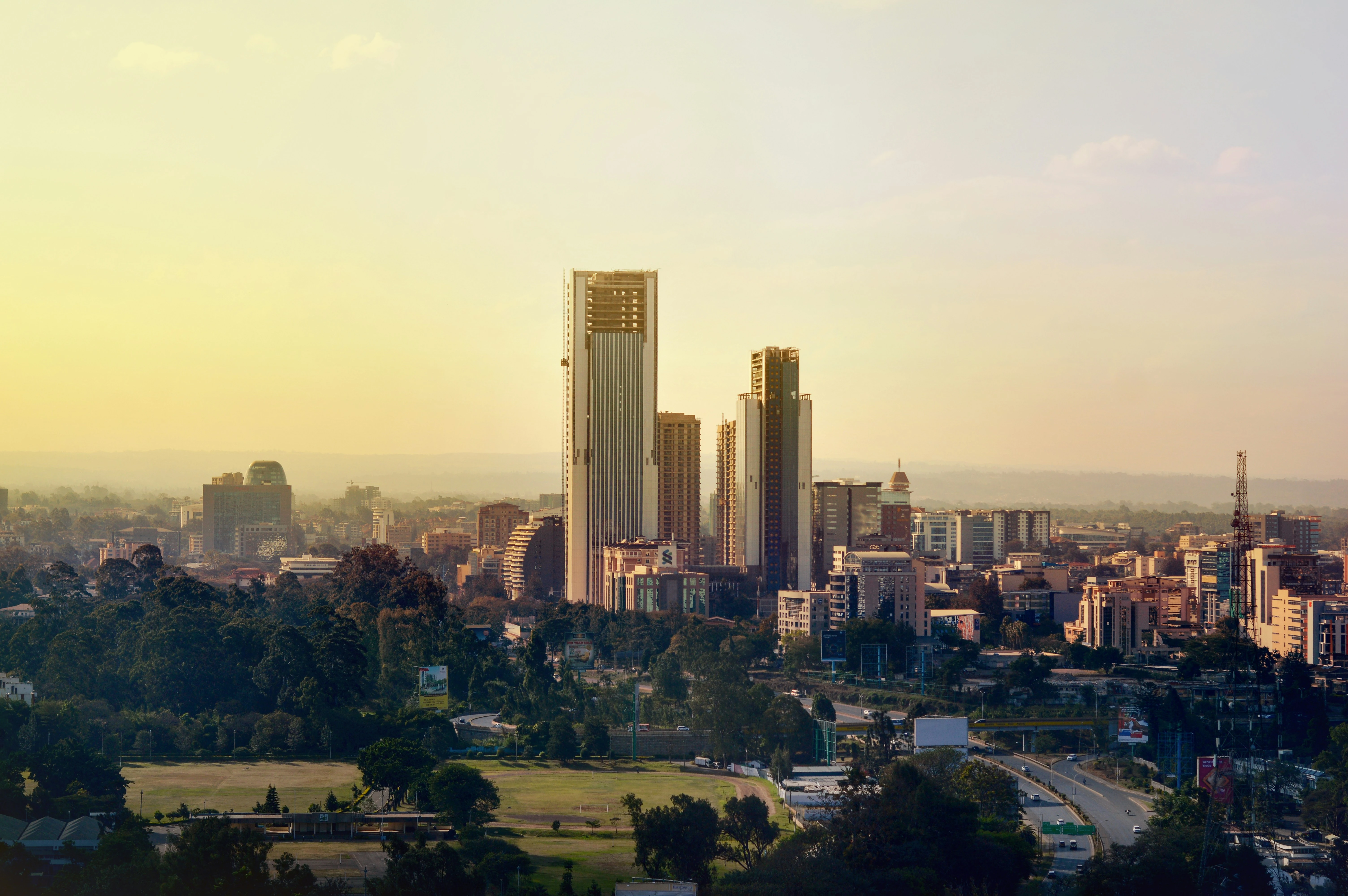
Kenya is one of the most dynamic destinations in East Africa for digital nomads, offering a strong balance between productivity and lifestyle.
Nairobi is the main base, with solid infrastructure, reliable mobile data, and a growing number of coworking spaces, cafés, and international communities. It works well if you want a more structured work environment with everything you need in one place.
From there, many remote workers split their time with the coast. Areas like Diani Beach offer a much slower pace, with warm weather, ocean views, and a more relaxed day-to-day rhythm that works well for longer stays.
This combination of city and coast makes Kenya one of the most flexible destinations in Africa, especially if you want to build a trip around different environments without leaving the country.
If you are planning your stay, it helps to understand how Nairobi and the coast differ in terms of connectivity, cost of living, and overall lifestyle.
Compare accommodation in Nairobi and the Kenyan coast
Explore coliving options in Kenya
Read the full Kenya digital nomad guide
Morocco (Best for Europe Proximity + Culture)
Morocco is one of the easiest African destinations to access from Europe and has become increasingly popular with digital nomads looking for a mix of culture, affordability, and convenience.
It works especially well if you want a destination that feels different from Europe while still being relatively easy to reach, with short flight times, good transport links, and a growing number of remote-work-friendly stays.
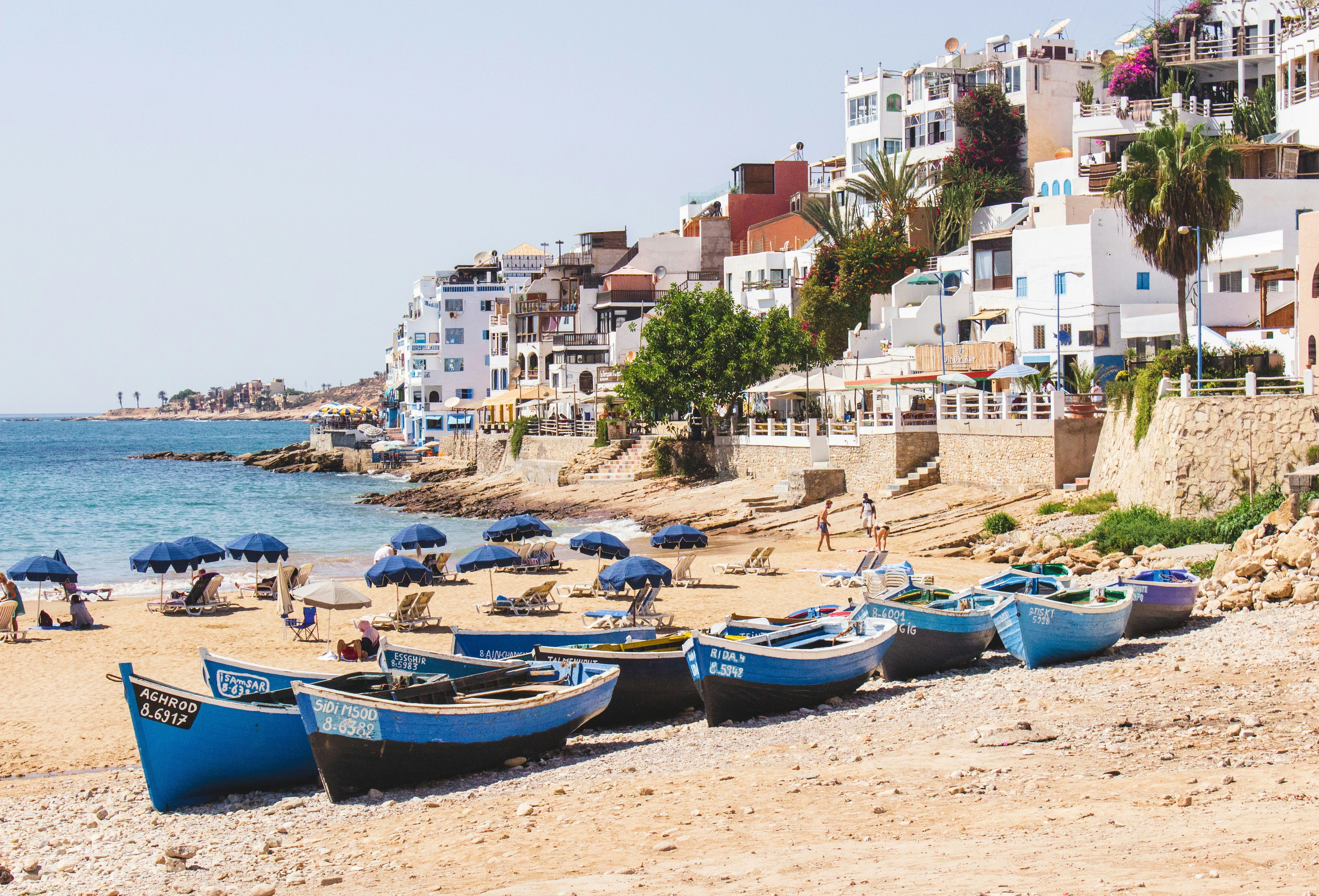
Marrakech is the main hub, offering strong WiFi, coworking spaces, cafés, and a fast-paced atmosphere that suits people who want energy, variety, and city life around their work routine. If you prefer something slower, Taghazout and Essaouira are better suited to longer stays, with surf, ocean views, smaller communities, and a more relaxed day-to-day rhythm.
This variety is what makes Morocco such a strong option. You can choose a city base, a surf town, or combine both in one trip depending on how you want to balance work and lifestyle.
If you are planning a stay, it helps to understand how places like Marrakech, Taghazout, and Essaouira compare in terms of connectivity, cost of living, and overall vibe.
Compare accommodation across Morocco
Read the full Morocco digital nomad guide
Cape Verde (Best for Island Remote Work)
Cape Verde offers a relaxed island lifestyle that suits digital nomads looking to slow down and focus on a simpler, more consistent routine.
It works particularly well if you want to step away from busy cities and build your days around work, ocean time, and a steady pace rather than constant movement.
Sal and São Vicente are the most practical bases. Sal is more developed, with beach-focused living, good accommodation options, and reliable enough connectivity for most remote work setups. São Vicente, particularly Mindelo, offers a slightly more cultural feel with a growing international community and a more local day-to-day experience.
Infrastructure is still developing compared to places like Cape Town or Nairobi, but that is part of the appeal. You get fewer distractions, more space, and a calmer environment that suits longer stays and focused work periods.
If you are planning your stay, it helps to understand how the different islands compare in terms of connectivity, cost of living, and overall lifestyle.
Compare stays across Cape Verde
Read the full Cape Verde digital nomad guide
Safari & Remote Work Experiences
One of the biggest advantages of working remotely in Africa is the ability to combine your work schedule with travel experiences like safari.
You can base yourself in a city or coastal location, maintain a consistent work routine during the week, and then add shorter trips to national parks or reserves without disrupting your workflow too much.
Destinations like South Africa and Kenya make this especially practical, with good domestic connections and safari regions that are accessible within a few hours. This allows you to structure your time around work first, and then build travel into your schedule rather than treating it as a separate trip.
One of the key considerations is connectivity. While many lodges and safari camps now offer WiFi, it can vary depending on location, so planning ahead with a mobile data backup is important if you want to stay online while travelling.
If you are considering working while on safari, it is worth understanding what to expect in terms of internet reliability and how to plan your setup.
Compare safari stays, lodges, national park accommodation, guided tours, and wildlife experiences before you book.
Compare safari tours, park stays, and wildlife experiences across Africa.
Read our Kruger National Park Wifi Guide
Read our guide to WiFi while travelling on safari
Cost of Living in Africa for Digital Nomads
Africa offers strong value compared to Europe and North America, although costs vary significantly depending on the country, location, and your lifestyle.
In general, remote workers earning in euros, pounds, or dollars will find that accommodation, food, and local transport are more affordable, especially outside the most popular areas.
South Africa sits in the mid-range but offers one of the highest qualities of life, particularly in Cape Town where you get a strong combination of lifestyle, infrastructure, and value compared to major European cities.
Namibia tends to have higher transport and logistics costs due to distances, but day-to-day living can be relatively simple and predictable once you are based in one place.
Kenya is more flexible depending on where you stay. Nairobi offers city convenience at a range of price points, while coastal areas can vary from budget-friendly to more premium setups.
Morocco is generally one of the more affordable options, especially for accommodation and food, making it a strong choice for longer stays or slower travel.
Cape Verde sits more in the mid-range for island destinations, with slightly higher import costs but a relaxed lifestyle that many remote workers value.
If you are planning your stay in Cape Town specifically, it is worth understanding typical monthly costs, neighbourhood differences, and what you can expect at different budget levels.
Read the full Cape Town cost of living guide
Remote Work Setup in Africa
Planning a longer remote work trip across Africa? Sort out the practical basics before you go so the trip runs smoothly from the start.
Need a reliable mobile backup while travelling? Get a global eSIM before you arrive so you have data from day one.
Need flexible travel medical cover? Check SafetyWing before moving between countries, cities, and more remote areas.
Planning where to stay? Compare accommodation, coliving stays, and short-term rentals by area, budget, and travel style before you book, especially if you are building a multi-stop itinerary.
Adding safari, tours, or extra travel? Compare flights, activities, day trips, guided tours, national park stays, and safari lodges early if you want to combine work with travel experiences across different regions.
Best Time to Work Remotely in Africa
Africa is a year-round destination, but timing your stay can significantly improve both your work setup and overall experience.
Because the continent spans multiple climates, choosing the right season depends on where you plan to base yourself and how you want to balance work with travel.
Southern Africa (including South Africa and Namibia) is generally best from March to October, when temperatures are more moderate and conditions are ideal for both remote work and travel. This period also aligns with the dry season, making it the best time for safari.
East Africa, including Kenya, works well for most of the year, although it is worth being aware of rainy seasons, depending on the region. In general, you can plan a flexible stay as long as you account for short periods of heavier rain.
Morocco is most comfortable in spring and autumn, when temperatures are milder and better suited to working during the day. Summers can be very hot, particularly in cities like Marrakech, which can make daytime productivity more challenging.
Cape Verde is a strong winter sun destination, making it particularly attractive if you are leaving Europe during colder months. It offers consistent weather, a relaxed pace, and reliable conditions for longer remote work stays.
Planning your trip around seasonality helps you avoid extreme weather, improve your day-to-day working conditions, and make the most of travel experiences alongside your work.
For more information on the best times of year to visit Cape Town, read our full guide.
If you are mapping out a longer Africa trip, compare multi-city flights, accommodation, safari lodges, and tours early so you can build the route around both your work schedule and travel goals.
FAQs About Digital Nomad Life in Africa
Is Africa good for digital nomads?
Yes, Africa offers a unique mix of lifestyle, affordability, and experiences that are difficult to match in other regions. While infrastructure varies by country, destinations like South Africa, Kenya, and Morocco now provide everything most remote workers need, from reliable internet to good accommodation and growing digital nomad communities. It is particularly appealing if you want more space, nature, and variety compared to traditional hubs.
Where is the best WiFi in Africa?
Cape Town and Nairobi currently offer the most reliable infrastructure, with fibre internet, strong mobile networks, and a wide choice of coworking spaces and cafés. Marrakech also performs well, particularly in coworking spaces and riads set up for remote work. In more remote areas, connectivity can vary, so having a mobile data backup or eSIM is important if you plan to move around.
What is the best country in Africa for digital nomads?
South Africa is the most developed and easiest option, especially for first-time visitors, as it offers the strongest balance of infrastructure, lifestyle, and travel opportunities. Morocco is a good choice for proximity to Europe, Kenya works well if you want a mix of city and coast, Namibia suits slower, more focused travel, and Cape Verde is ideal for a relaxed island-based stay.
Can you combine work and safari in Africa?
Yes, this is one of the biggest advantages of working remotely in Africa. You can base yourself in a city or coastal location, maintain a normal work routine, and then add shorter safari trips without turning your entire stay into a full-time holiday. With some planning around connectivity, it is possible to stay productive while still experiencing national parks and wildlife areas.
Is Africa safe for digital nomads?
Safety varies by country and location, but many digital nomads have a very positive experience when they choose the right areas and follow local advice. Cities like Cape Town, Nairobi, and Marrakech all have neighbourhoods that are well-suited to remote workers. As with any destination, it is important to be aware of your surroundings, use trusted transport, and choose accommodation carefully.
Do I need a visa to work remotely in Africa?
Several African countries are introducing or developing digital nomad visas, including South Africa and Namibia, making it easier for remote workers to stay longer while earning income from abroad. Visa requirements can change, so it is important to check the latest details before planning your trip and choose a destination that fits your intended length of stay.
What is the best time of year to work remotely in Africa?
Africa can be visited year-round, but the best timing depends on the region. Southern Africa is ideal from March to October, East Africa works well most of the year with some seasonal rain, Morocco is best in spring and autumn, and Cape Verde is a strong winter sun option. Planning around seasons helps improve both your work setup and travel experience.
Start Planning Your Remote Work Experience in Africa
Africa offers something different from traditional digital nomad destinations: more space, more variety, and more opportunity to combine work with meaningful travel.
Explore South Africa, Namibia, Kenya, Morocco, and Cape Verde to find the setup that works best for you, then start comparing flights, accommodation, and travel options to plan your trip.
Our Other Useful Guides:
- Digital Nomad Guide to Cape Town
- Cape Town Cost of Living Guide
- Coliving in Cape Town
- Coliving Rural Retreat in South Africa
- Namibia Digital Nomad Guide
- Coliving in Namibia
- Kenya Digital Nomad Guide
- Coliving in Kenya
- Morocco Digital Nomad Guide
- Cape Verde Digital Nomad Guide
- WiFi While Travelling on Safari
- Kruger National Park WiFi Guide
To connect with other digital nomads and remote workers to cowork in different locations around Cape Town - Join the local FREE CoWorking Days community or join us on our next South Africa Coliving Retreat.
Secure your African adventures with SafetyWing Insurance where peace of mind meets every destination. Explore worry-free, knowing you’re covered wherever your journey takes you. 🌍✈️