
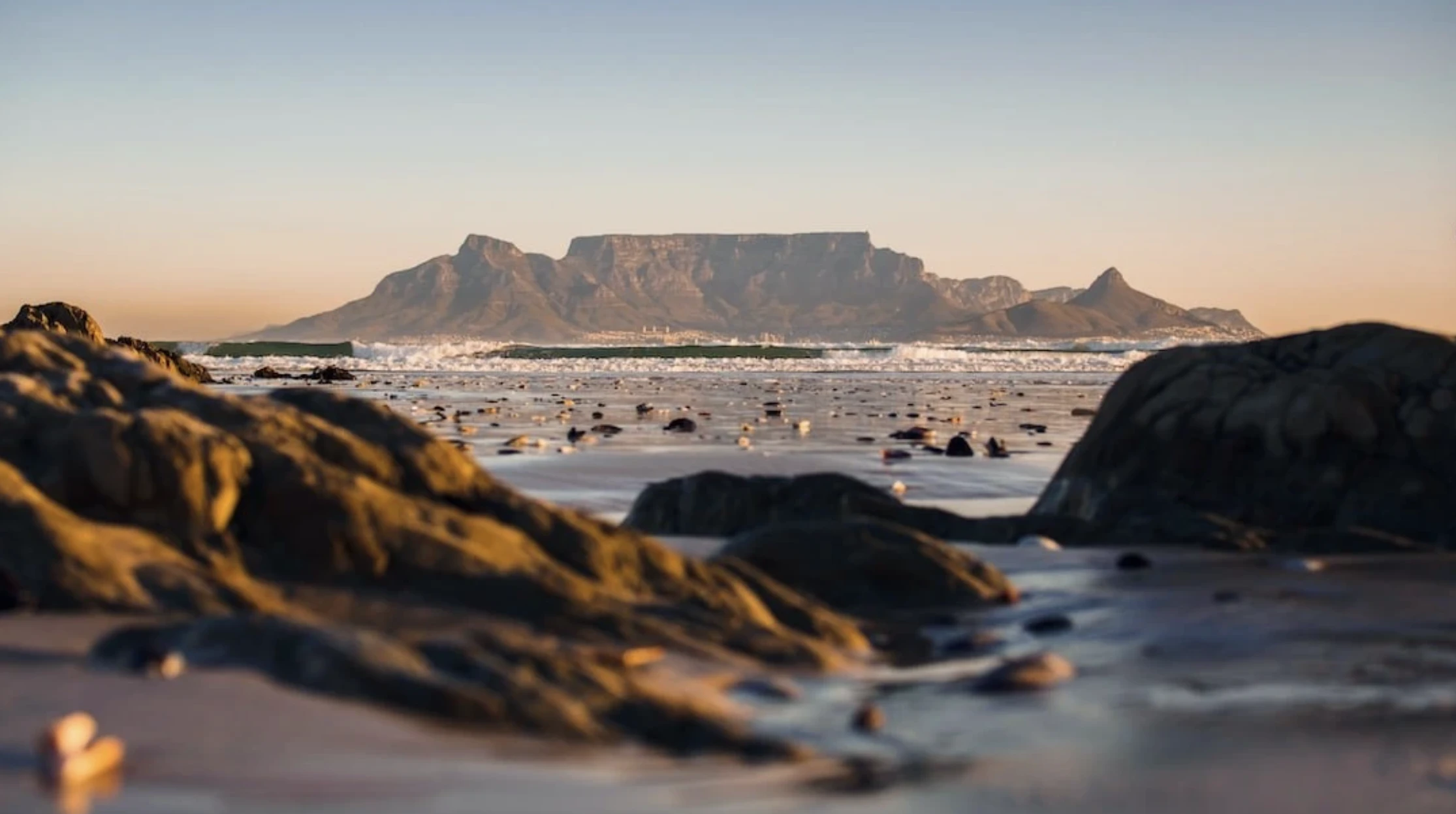
South Africa’s Remote Work Visitor Visa is now one of the most important visa developments for digital nomads looking at Africa for a longer stay.
The visa framework was formally gazetted in October 2024, and South Africa continues to position itself as a stronger option for remote workers who want to combine city life, coast, nature, and longer-term travel in one trip.
Requirements checked on 4 October 2026. This is a planning guide, not individual immigration or tax advice. Confirm current instructions with the responsible mission before applying.
This guide gives you a practical overview of the visa, the main requirements, what is still unclear, and what to plan before you apply.
Take a look at our guide to How Expensive is Cape Town
What is the South Africa Digital Nomad Visa?
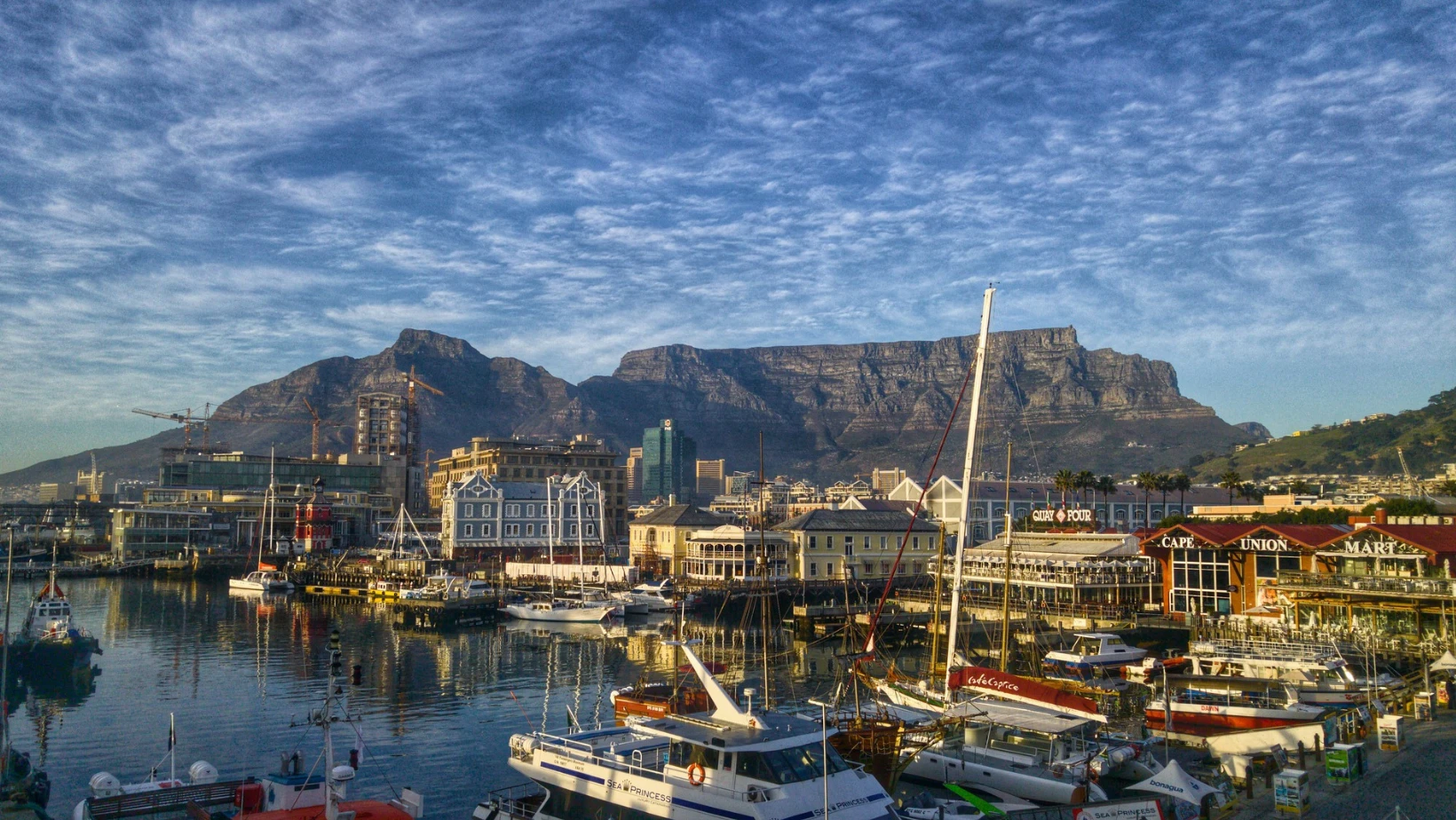
South Africa’s digital nomad visa is officially a Remote Work Visitor Visa. It is designed for people who work remotely for a foreign employer and need to stay in South Africa for more than 3 months and up to 3 years.
It is not a local work permit. Holders are allowed to live in South Africa while continuing remote work for employment with a foreign-based employer, but they are not entitled to take up employment in South Africa.
If you are planning to base yourself in Cape Town, read our Cape Town Digital Nomad Guide as well.
Compare Cape Town Tours & Activities
Who Is the Remote Work Visa For?
The published checklist requires a signed employment contract with a foreign-based employer. Freelancers, consultants and people running their own businesses should ask the responsible mission or a qualified immigration adviser whether their arrangement qualifies. An overseas client or online income alone should not be treated as proof of eligibility.
This is not a route to taking a local job. The permitted activities and period granted must match your approved visa.
Requirements for the South Africa Remote Work Visitor Visa
According to the Department of Home Affairs requirements published in October 2024, applicants should be prepared to provide:
- A completed and signed application form
- A valid passport with at least 30 days’ validity after your intended departure from South Africa
- A valid contract of employment signed by both you and your foreign-based employer
- A statement or supporting documentation explaining the purpose and planned duration of your stay
- Proof of sufficient financial means, defined as a gross salary of at least R650,796 per year, supported by three months of bank statements
- A valid return flight ticket or proof of reservation
- Proof of payment of the applicable visa fee
- A yellow fever vaccination certificate if you have travelled through or plan to travel through a yellow fever risk area
You may also be asked for supporting documents such as travel insurance or details of your accommodation, depending on where and how you apply.
For more updates, the South African government website gives more details about this exciting opportunity for digital nomads.
Candidates may also be asked to provide proof of Travel Insurance and details of their accommodation in South Africa. If you plan to arrive in Cape Town, you can choose from many Airbnb properties and Coliving Spaces designed for digital nomads and remote workers.
How to Apply and What to Confirm
Start with the South African mission or authorised visa service responsible for your place of residence. Get its current Remote Work Visitor Visa checklist, application form, fee and appointment instructions. Do not assume there is one worldwide online application process.
Confirm document certification or translation rules, whether extra supporting documents are required, and how your passport is handled. Processing times vary. Avoid non-refundable travel commitments until you understand the application and approval process.
For example, the South African High Commission in Ottawa’s nomad visa page provides instructions for its applicants. Use the mission relevant to you, not another country’s checklist as a substitute.
Tax and SARS Registration: Get Individual Advice
The Home Affairs checklist distinguishes applicants tax resident in a country with an applicable double-tax agreement from those who are not. For the former, it specifies SARS registration after more than 183 days in any 12-month period; for the latter, registration is required. This is not a blanket promise of tax-free living below that threshold.
Registration, tax residency and the tax payable are different questions. SARS guidance for non-residents explains that treaty relief depends on additional conditions, not simply how many days you stay. Ask a qualified tax adviser to review your residency, employer and treaty position before planning a long stay.
Planning a South Africa Remote Work Stay?
Once your visa planning is underway, the next step is getting the practical side of the trip right.
- Need a reliable mobile backup from day one? Get a global eSIM before you arrive.
- Need flexible travel medical cover? Check SafetyWing before moving between cities, the coast, and safari stops.
- Planning where to stay? Compare accommodation by area, budget, and travel style, especially if you are deciding between Cape Town, Johannesburg, and a slower coastal base.
South Africa For Digital Nomads
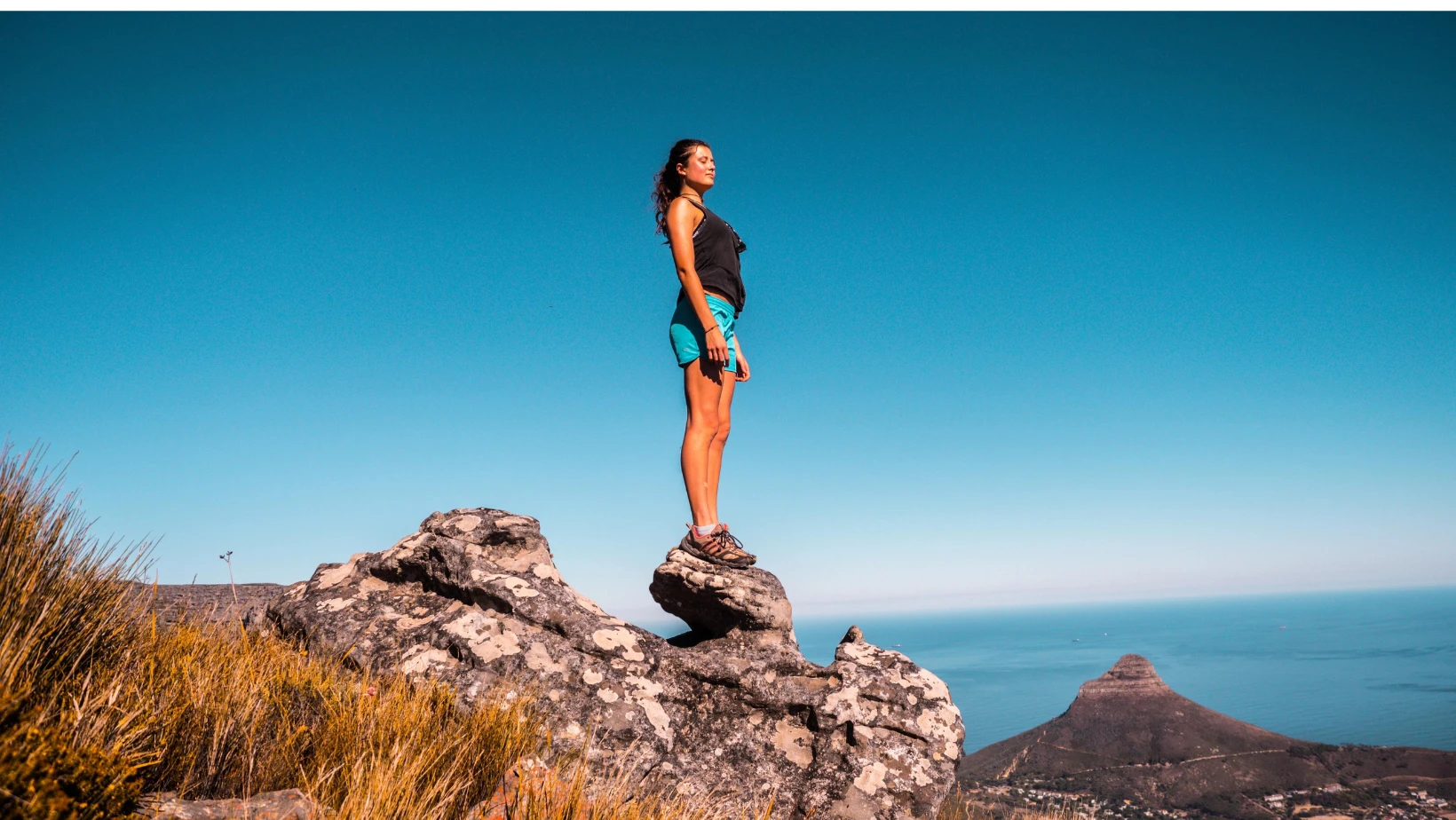
South Africa is one of the most rewarding countries in Africa for digital nomads who want more than just a place to work remotely. It combines major cities, coastline, mountains, wildlife, surfing, wine regions, road trips, and safari travel in a way that makes a longer stay feel far richer than a standard work trip.
For many remote workers, Cape Town is still the best-known starting point, especially during the summer months, thanks to its beaches, hiking, coworking spaces, cafés, and strong international community. If you are planning a longer stay in the country, it is also worth reading our Cape Town Digital Nomad Guide, Coliving in Cape Town, and South Africa Digital Nomad Visa Guide before you book.
If you want a quieter and more nature-led base than Cape Town, a rural retreat in South Africa can be a much better fit for focused work, slower travel, and a more intentional routine. Instead of building your whole trip around city life, you can choose a coastal base with more space, a calmer rhythm, and easier access to nature.
Our South Africa rural retreat is designed for digital nomads and remote workers who want community, shared spaces, and a work-friendly environment without the pace of a major city. It is a strong option if you want to stay productive while also making time for beach walks, local experiences, and a more relaxed day-to-day lifestyle.
If you are comparing rural retreat accommodation, coliving in South Africa, or a longer remote work stay near the coast, take a look at our Coliving in South Africa page to see whether this setup is a better match for your travel style, budget, and the kind of experience you want from the country.
Whether you are planning a few weeks away, a longer seasonal stay, or a multi-stop South Africa trip that mixes city time with a quieter coastal base, compare accommodation options early so you can choose the right place to stay for the way you want to live and work.
South Africa is also one of the best destinations in Africa for combining remote work with nature and adventure. Beyond the cities, you can add Kruger National Park, safari stays, coastal drives, hiking, wildlife experiences, and slower rural bases to the same trip. If you are planning to mix work with safari, wildlife tours, or other outdoor experiences, compare activities and stays early so you can build the right itinerary around how you want to travel. You can also read our Kruger Park WiFi Guide and WiFi on Safari guide before booking.
Compare Cape Town Tours & Activities
Can You Find Wifi While Travelling On Safari?
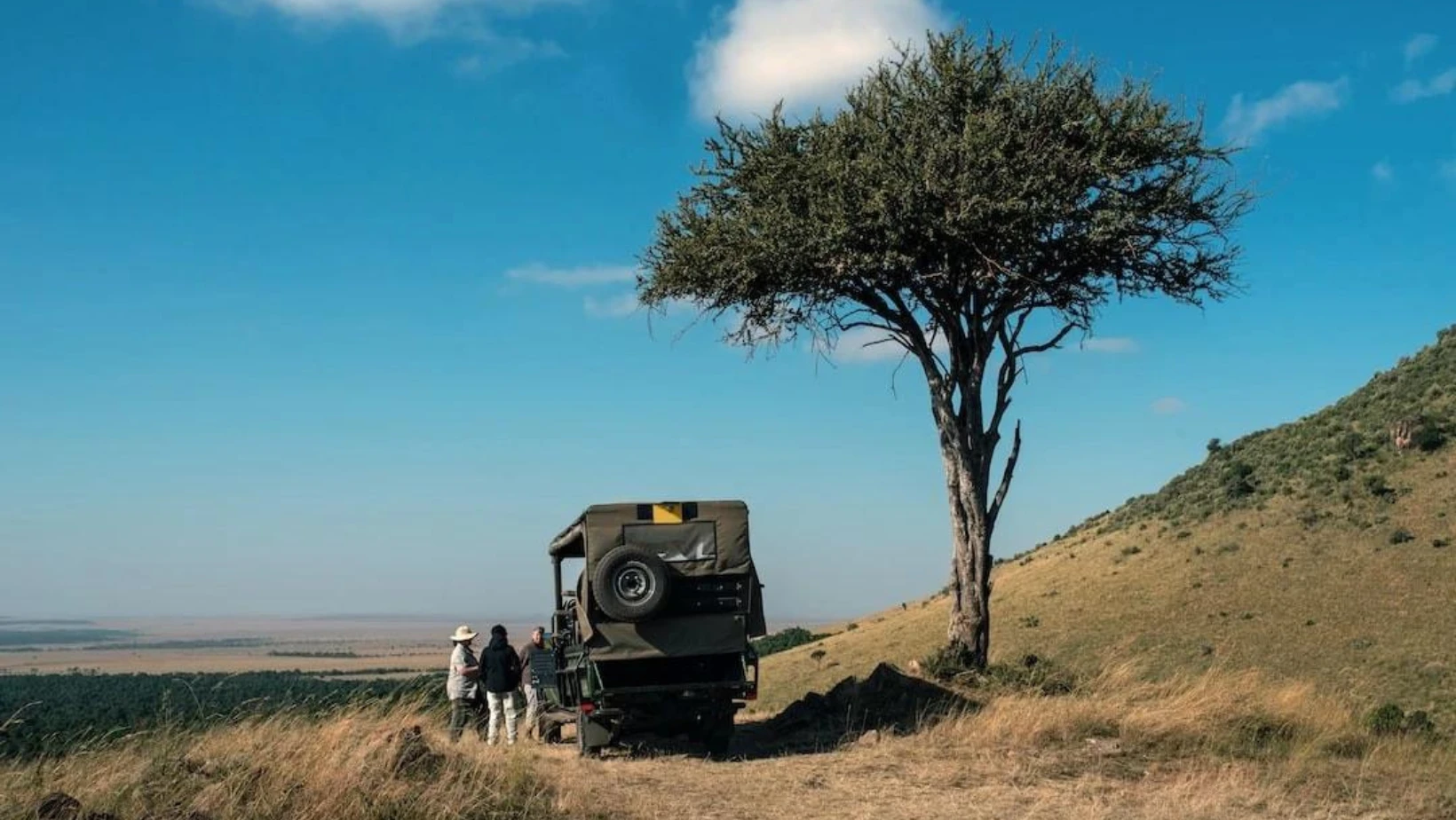
If having WIFI while travelling on safari is a priority, you'll be pleased to know that staying connected is indeed possible. We've crafted this Kruger Park WIFI Guide to assist you in your planning, plus you can also get 20% off a global eSim.
Planning Where to Base Yourself in South Africa?
Once your visa planning is underway, the next step is deciding where to stay and what kind of setup suits the way you work.
- If you want the strongest city base, read our Cape Town Digital Nomad Guide
- If you want a more social city setup, explore Coliving in Cape Town
- If you want a quieter coastal base, take a look at Coliving in South Africa
- If you want to combine work with safari, read our Kruger Park WiFi Guide
FAQs About the South Africa Digital Nomad Visa
Does South Africa have a digital nomad visa?
Yes. South Africa has introduced a visa route for remote workers, officially referred to as the Remote Work Visitor Visa. It is designed for people who want to live in South Africa while continuing remote work for a foreign employer.
What is the South Africa Remote Work Visitor Visa?
The South Africa Remote Work Visitor Visa allows eligible remote workers to stay in the country for longer than a standard short visitor stay while continuing to work for a foreign-based employer. Check the foreign-employment requirement rather than assuming all location-independent professionals qualify.
How long can you stay in South Africa on the digital nomad visa?
The visa category is intended for stays of more than 3 months and up to 3 years. The exact period granted will depend on the application and approval.
Can I work for a South African company on this visa?
No. This visa is intended for people working remotely for a foreign employer or qualifying foreign-based business activity. It is not a local work visa and does not give you the right to take up employment in South Africa.
What income do you need for the South Africa digital nomad visa?
Applicants should be able to show a gross annual income of at least R650,796 together with supporting financial documents such as recent bank statements. Always check the latest official guidance before applying in case thresholds or documentation rules change.
What documents do I need for the South Africa digital nomad visa?
In general, applicants should expect to provide:
- a completed application form
- a valid passport
- a valid employment contract with a foreign-based employer
- a statement explaining the purpose and duration of the stay
- proof of income and recent bank statements
- proof of payment of the visa fee
- a return ticket or reservation
- a yellow fever certificate if applicable
Depending on where you apply, you may also be asked for extra supporting documents.
How do I apply for the South Africa digital nomad visa?
Applications are generally handled through a South African mission, embassy, consulate, or the relevant visa service provider for your country. In practice, you should confirm the correct application channel, gather the required documents, complete the relevant forms, pay the fee, and submit the application through the correct route for your location.
Can I apply online for the South Africa digital nomad visa?
Application handling can vary depending on the country you are applying from. In many cases, you should expect to deal with a South African mission or a visa service provider rather than a single global online process. Always check the instructions for your country before applying.
Do I need health or travel insurance for the South Africa digital nomad visa?
It is sensible to have travel medical cover in place, especially if you are planning a longer stay or moving between cities, coastal areas, and safari destinations. Depending on where and how you apply, you may also be asked for supporting travel or health-related documentation.
Will I have to pay tax in South Africa on the digital nomad visa?
Tax depends on your personal situation, including where you are tax resident and how long you stay in South Africa. If you are planning a longer stay, it is worth getting professional tax advice before applying so you understand whether SARS registration may apply in your case.
Is Cape Town the best place to use the South Africa digital nomad visa?
For many remote workers, Cape Town is the easiest and most popular starting point because of its coworking spaces, cafés, beaches, lifestyle, and remote work community. That said, some digital nomads may prefer Johannesburg for a more urban base or the Eastern Cape for a quieter and more nature-led stay.
Can I use the South Africa digital nomad visa for a longer multi-stop trip?
Yes. One of the main advantages of the visa is that it makes it easier to plan a longer stay that combines different parts of South Africa. Many remote workers will want to mix Cape Town, other cities, coastal bases, and safari or road trip extensions into one itinerary.
What should I sort out before applying?
Before applying, make sure you:
- check the latest visa requirements
- confirm where you need to submit the application
- prepare proof of income and remote work
- check your passport validity
- think about insurance, flights, and where you want to base yourself
- compare accommodation options early if you are planning a longer stay
Is the South Africa digital nomad visa worth it?
If you want to spend more than a short holiday in South Africa and continue working remotely for a foreign employer, this visa can be a very useful option. It gives digital nomads a clearer route for a longer stay in one of the most varied and rewarding destinations in Africa.
Our Other Useful Guides:
- Cape Town Digital Nomad Guide
- Flights to Cape Town: Booking Tips
- Cape Town Cost of Living
- Digital Nomad Adventures in South Africa
- Cape Town in Summer
- What Are Coliving Spaces for Digital Nomads?
- Best Areas to Stay in Cape Town
To connect with other digital nomads and remote workers to cowork in different locations around Cape Town, join the local FREE CoWorking Days digital nomad meet up community or join us on our next Cape Town Coliving Retreat.
Before buying travel insurance, check the policy’s activities, exclusions and length-of-stay rules against your plans. Some links are affiliate links. We may earn a commission at no extra cost to you.