
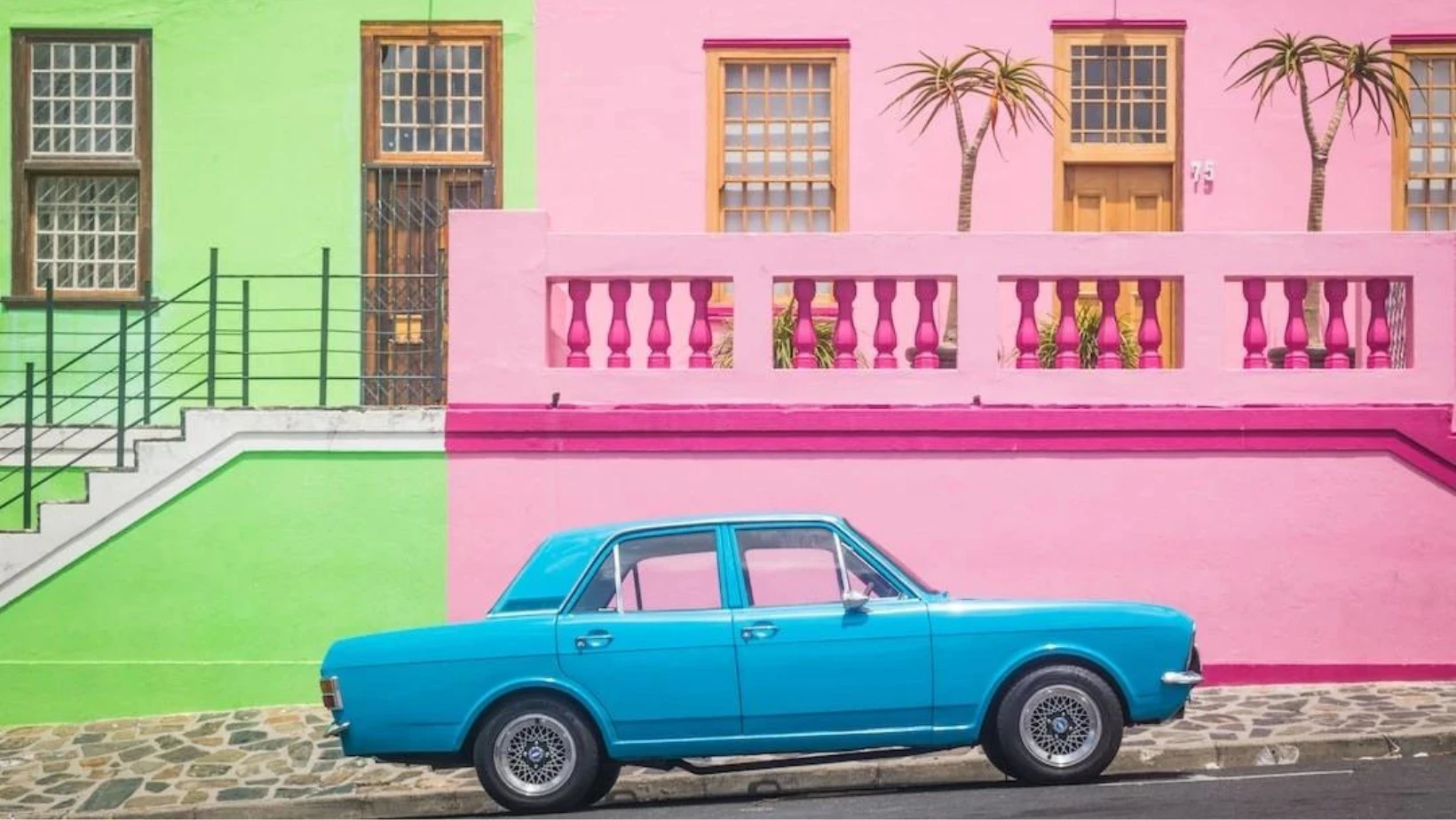
Cape Town remains one of the strongest digital nomad bases in Africa if you want more than just a desk with WiFi. It offers beaches, mountains, cafés, coworking spaces, strong lifestyle value, and an international remote work crowd, while also giving you easy access to wine regions, hikes, surf spots, road trips, and safari add-ons.
What makes Cape Town stand out is not just the scenery. It is the way the city lets you build a real routine. You can work from a café in Sea Point, take meetings from a coworking space in the CBD, finish the day with a Lion’s Head hike or ocean swim, and still feel like you are living in a place rather than passing through it.
This guide covers the best neighbourhoods in Cape Town for digital nomads, realistic costs, coworking and WiFi, transport, safety, where to stay, and how to decide whether Cape Town is the right base for a few weeks, a few months, or a full summer season.
Why Choose Cape Town as a Digital Nomad?
Cape Town works particularly well for remote workers who want lifestyle and structure at the same time. The city has enough coworking, café culture, neighbourhood variety, and international community to make day-to-day work easy, but it also gives you the kind of natural setting that makes a longer stay feel exciting rather than repetitive.
It is also one of the easier long-stay destinations for Europeans and UK-based remote workers because of the time zone overlap. During much of the year, you can work normal hours without needing to shift your whole day. That makes it easier to mix productive workdays with beach time, hikes, dinners, or weekend trips.
Cape Town is not the cheapest digital nomad city anymore, especially for rent in peak season. But it can still offer strong lifestyle value if you choose the right area, compare accommodation early, and build your stay around how you actually want to work and live.
What's Life Really Like in Cape Town as a Digital Nomad
Find the Right Cape Town Coliving Option
Tell us your dates, budget, preferred area, and how you like to work, and we will help you find the best current Cape Town coliving match.
Whether you want a more social setup in Sea Point or Green Point, a central city base, or a quieter stay with more privacy, choosing the right area can make a big difference to your routine.
Cape Town Visas and Legalities
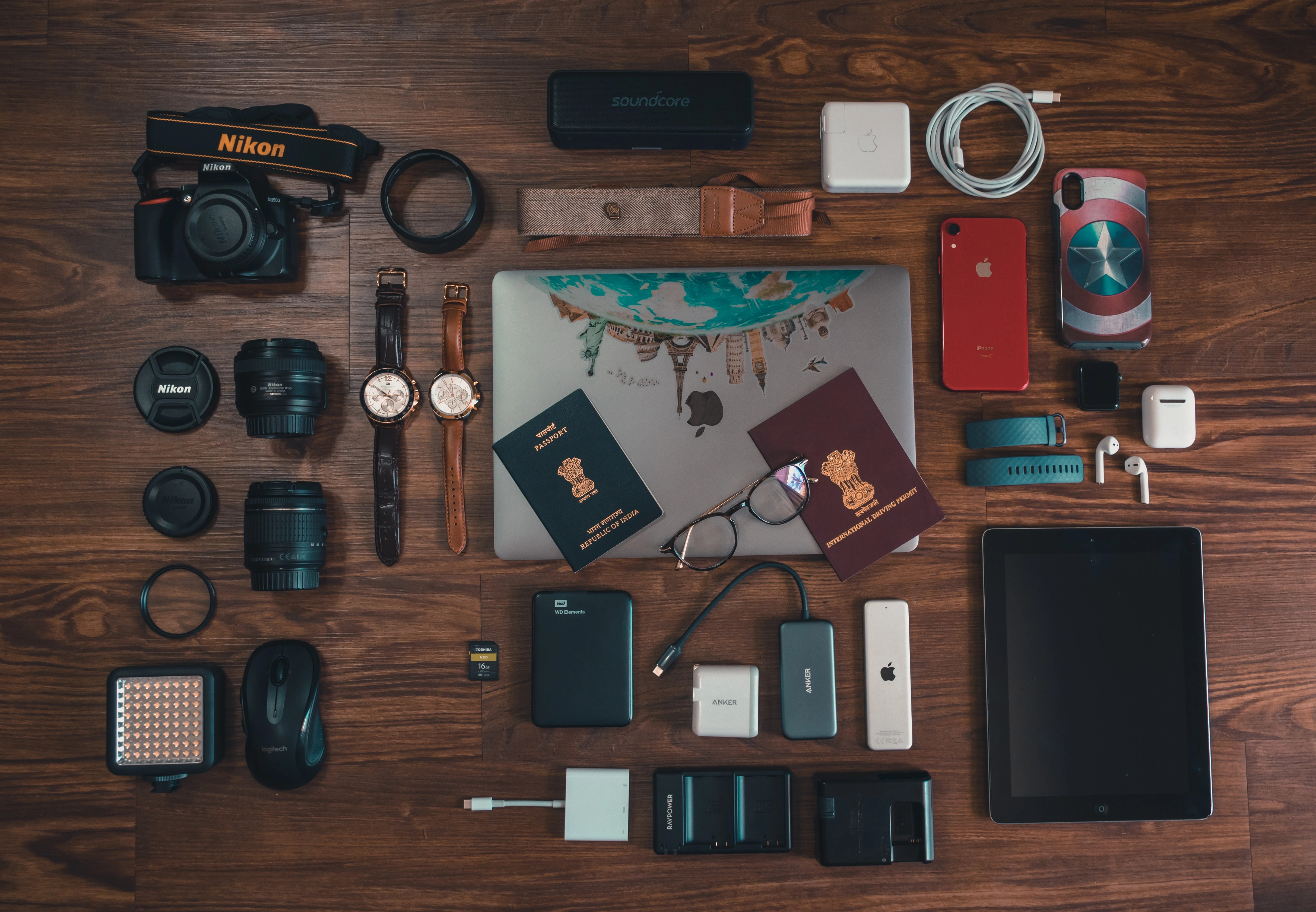
For digital nomads planning to stay in Cape Town, understanding South Africa’s visa and entry requirements is essential. Citizens from many countries can enter South Africa visa-free for up to 90 days, making it convenient for short-term stays.
For those intending to stay longer, options include a visitor visa extension, which can extend your stay for an additional 90 days, or applying for a remote work visa if eligible.
- Check visa requirements: Depending on your nationality, you may need a visa to enter South Africa. Make sure to research and obtain the necessary visa before your trip.
- Passport validity: Ensure your passport is valid for at least six months beyond your intended stay in Cape Town.
South Africa Digital Nomad Visa
South Africa now offers a Digital Nomad Visa for remote workers planning a longer stay in the country.
If you are thinking about spending more than a short season in Cape Town, read our full South Africa Digital Nomad Visa Guide for the latest overview of requirements, income thresholds, and how the application process works in practice.
Updated for 2026
South Africa Digital Nomad Visa
The Best Time to Visit Cape Town

Cape Town is most in demand from December to March, when the city is at its warmest, busiest, and most social. This is the season when many northern hemisphere remote workers head south for beaches, hiking, sunshine, and the strongest city atmosphere.
The shoulder seasons, roughly April to May and September to November, can be an even better fit if you want lower accommodation pressure, easier restaurant bookings, and a slightly calmer pace while still enjoying good weather.
Winter can still work well if your priority is productivity rather than beach days. You may get more rain, but you also get lower pressure on stays, a steadier routine, and a city that still has plenty of cafés, coworking spaces, and social life.
WiFi, eSIMs and Coworking
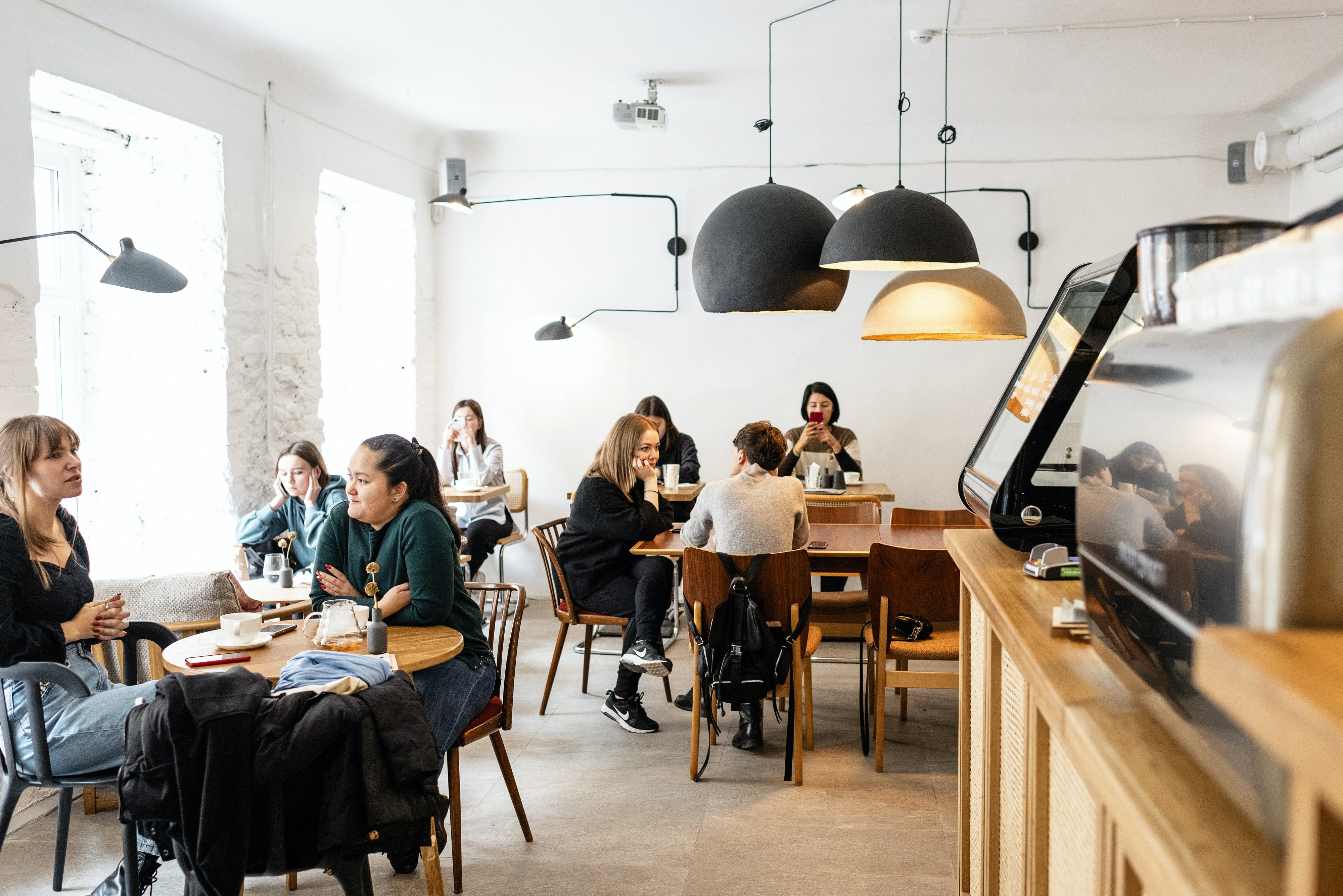
Cape Town generally has strong enough connectivity for remote work, especially in the CBD, City Bowl, Sea Point, Green Point, and other established long-stay neighbourhoods. Fibre is common in many apartments and guesthouses, and there are enough coworking spaces and laptop-friendly cafés to avoid being dependent on one setup.
That said, you should still plan for backup connectivity. Power cuts and accommodation WiFi quality can vary, so it is worth sorting out a global eSIM before arrival and choosing accommodation with clearly confirmed internet if your work depends on calls or uploads.
If you want a professional setup, use coworking in the city and the Atlantic Seaboard. If you prefer casual workdays, cafés around Sea Point, De Waterkant, Woodstock, Gardens, and the CBD can work well depending on the day and time.
9 Of The Best Coworking Spaces
Take a look at our guide to How Expensive is Cape Town
Where to stay in Cape Town
The best area depends on your budget, lifestyle, and how you like to work.
Sea Point is one of the easiest all-round options. It is walkable, social, close to cafés, the promenade, gyms, and everyday convenience, and works well if you want city life without being in the centre.
Green Point and De Waterkant suit digital nomads who want a social base, easy access to restaurants and cafés, and a strong mix of short-term stays, serviced apartments, and community energy.
City Bowl / CBD makes sense if you want central access, coworking spaces, nightlife, and easier movement around town, but you need to choose your exact building and block carefully.
Woodstock is a better fit for creatives, café workers, and people who prefer a more local, design-led feel, though the right street and building matter more here than in some other parts of town.
Camps Bay and Clifton are more scenic and lifestyle-driven than practical for most digital nomads, but they can work if budget is less of a concern and ocean access matters more than being close to coworking.
If you want the deeper breakdown, read the full Best Neighbourhoods in Cape Town for Digital Nomads guide before booking.
Cape Town Accommodation

Cape Town has a wide range of accommodation styles for digital nomads, from furnished apartments and guesthouses to coliving spaces and longer-stay serviced options.
If you want independence, furnished apartments in Sea Point, Green Point, Gardens, and the CBD are often the easiest starting point. If you want more community and less setup friction, Coliving in Cape Town can be a better option, especially if you are staying for several weeks or longer.
The key is to compare stays by area, building type, and work fit, not just price. The right accommodation can make the difference between a smooth routine and a frustrating month of long commutes, patchy WiFi, or the wrong neighbourhood energy.
Digital Nomad Accomodation In Cape Town
How Expensive Is Cape Town for Digital Nomads?
Cape Town can still offer good value compared with many European or North American cities, but it is no longer a bargain destination in the areas most digital nomads actually want to stay. Rent is the biggest swing factor, especially in summer and in popular neighbourhoods close to the ocean.
Food, cafés, coworking, ride-hailing, and entertainment can still offer decent day-to-day value depending on your habits, but the right question is no longer “Is Cape Town cheap?” It is “Which version of Cape Town am I choosing?”
For the detailed numbers, read the full Cape Town Cost Guide before committing to a base or length of stay.
Transportation in Cape Town
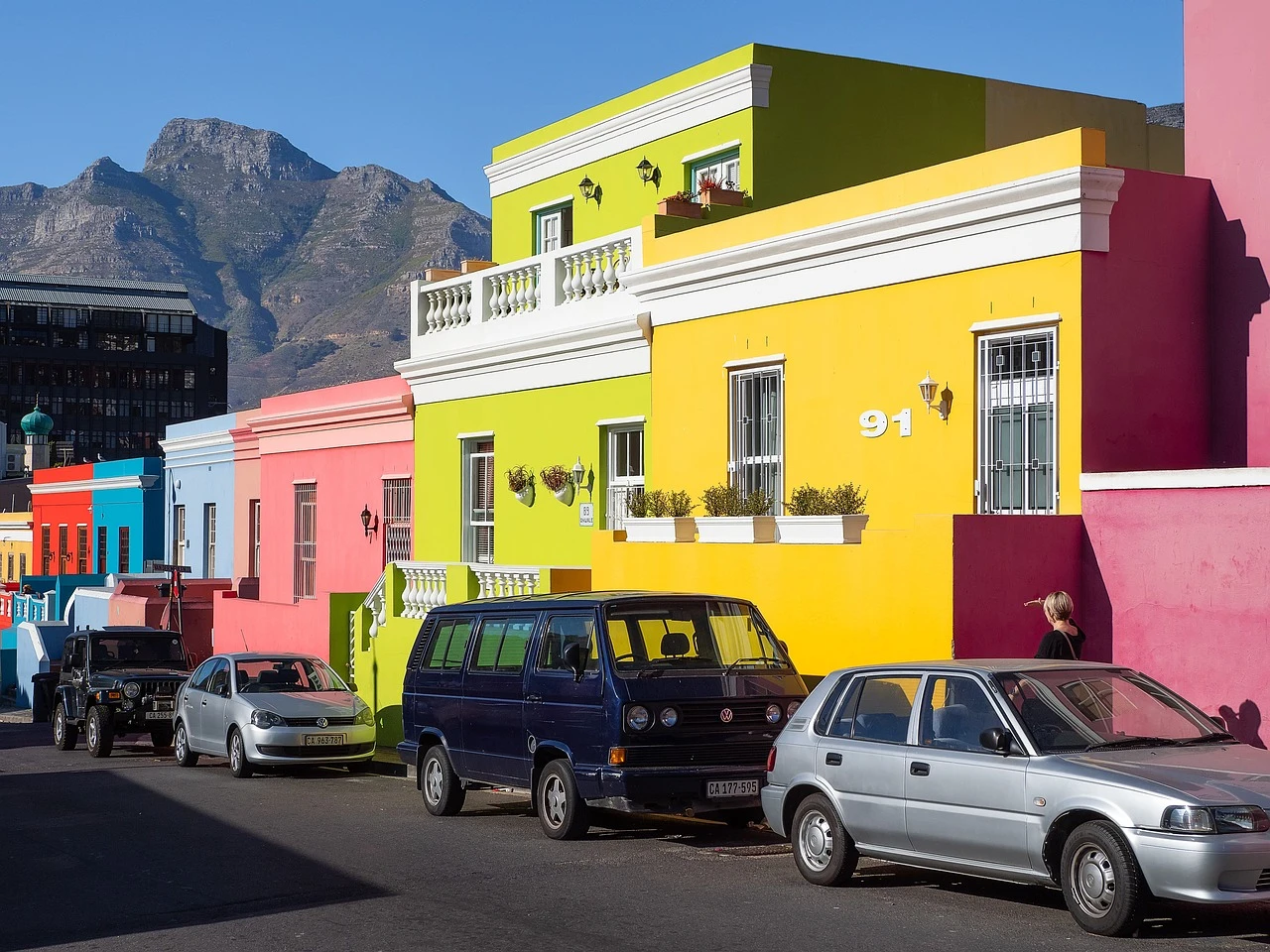
Cape Town is easy enough to manage without a car if you stay in the right neighbourhood. Many digital nomads use a mix of walking, Uber, Bolt, and the MyCiTi bus where relevant.
A car becomes much more useful if you want regular beach-hopping, surfing, wine country, weekend drives, or flexibility beyond the city. For a central, work-focused stay, you can usually avoid one. For a more exploratory lifestyle, it often becomes worth it.
Wifi While Travelling On Safari
Safety in Cape Town
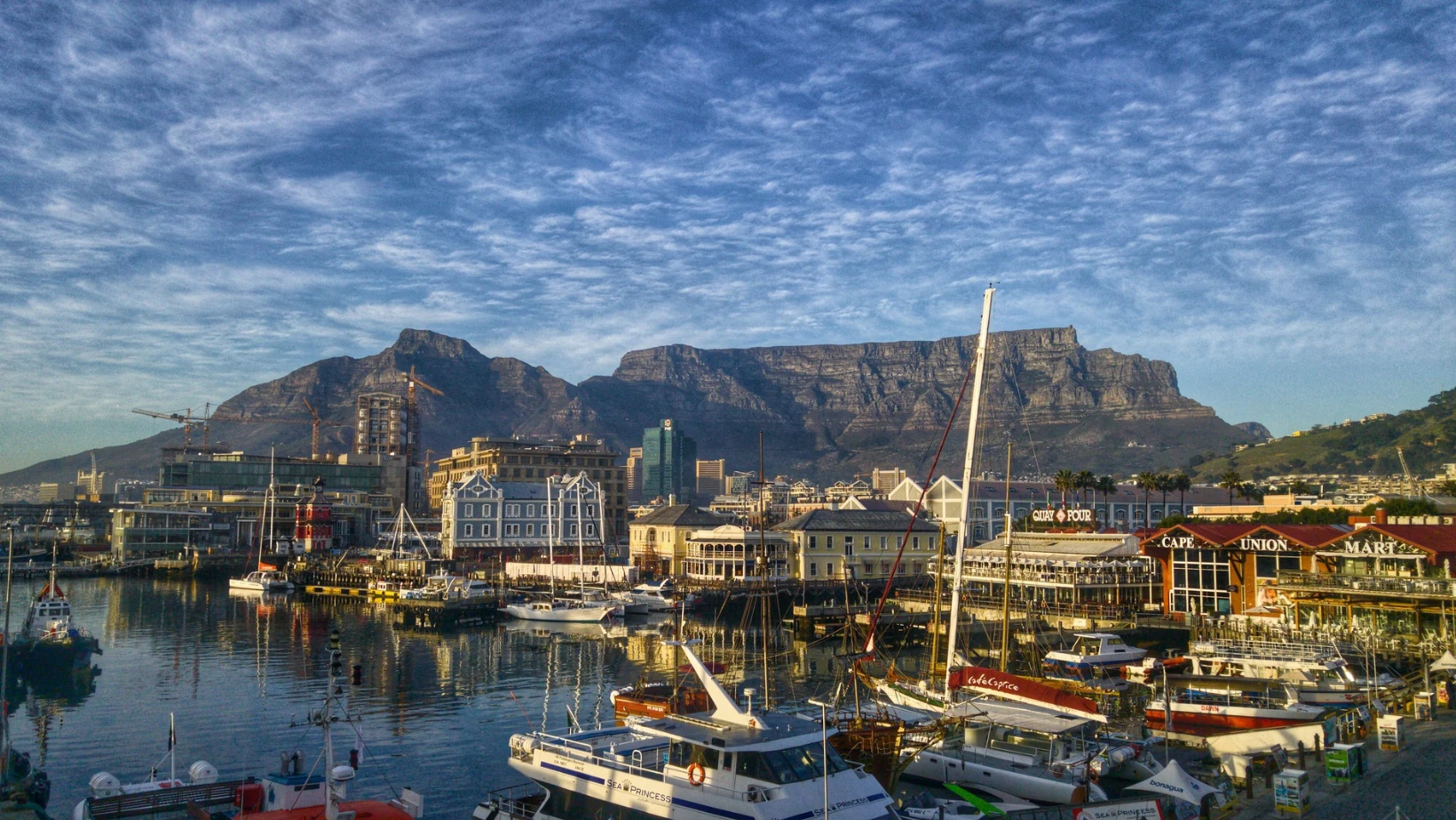
Cape Town is one of the most rewarding cities in Africa to spend time in, but safety should be treated realistically rather than vaguely. The city is not uniformly dangerous, but neighbourhood choice, transport habits, and time of day matter.
For most digital nomads, the practical approach is simple: choose a well-located neighbourhood, avoid walking alone in quiet areas late at night, use ride-hailing where needed, and ask locals or hosts about the exact streets and routines that make sense.
If safety is a major factor, prioritise building quality, security, walkability, and proximity to cafés/coworking rather than just headline rental price.
Digital Nomad Travel Insurance
Secure your Cape Town stay with SafetyWing if you want flexible travel medical cover while moving between the city, the coast, and other parts of South Africa.
Beyond Work What Makes Cape Town Special

Cape Town is one of the rare digital nomad cities where weekends can feel like a second trip. You can hike Lion’s Head or Table Mountain, spend time on the Atlantic Seaboard, surf, explore the Cape Peninsula, visit the Winelands, or take road trips along the coast.
That makes it a particularly strong base for digital nomads who care about lifestyle and adventure, not only work efficiency. It also means Cape Town works well as part of a wider South Africa itinerary. Many remote workers combine city time with the Winelands, Garden Route drives, Hermanus, or a later safari leg.
10 tips for Digital Nomads in Cape Town
Cape Town is one of the easiest places in Africa to combine remote work with lifestyle, but the city works best when you choose the right area, sort out your connectivity, and plan your stay around how you actually like to live and work.
If you are staying longer or planning to travel beyond the city, also read our South Africa Digital Nomad Guide, South Africa Digital Nomad Visa Guide, and Kruger Park WiFi Guide before building the rest of your itinerary.
Plan Your Cape Town Stay
Before you book, compare the best neighbourhood for your work style, sort out mobile data, and decide whether you want an apartment, a guesthouse, or a coliving setup.
- Need a reliable mobile backup? Get a global eSIM before you arrive
- Need flexible travel medical cover? Check SafetyWing
- Planning where to stay? Compare Cape Town accommodation by neighbourhood, budget, and length of stay
- Want a more social setup? Explore Coliving in Cape Town before you book.
If you are planning a longer stay or looking at more than one base in the country, also read our South Africa Digital Nomad Guide and South Africa Digital Nomad Visa Guide before you book.
FAQ´s - Cape Town for Digital Nomads
Is Cape Town good for digital nomads?
Yes. Cape Town is one of the strongest digital nomad destinations in Africa thanks to its mix of coworking spaces, cafés, beaches, hiking, neighbourhood choice, and an established remote work community. It works especially well for people who want to combine work with lifestyle, outdoor activities, and a more social day-to-day setup.
What is the best area to stay in Cape Town as a digital nomad?
That depends on your style and budget. Many digital nomads look first at areas such as Green Point, Sea Point, Gardens, Tamboerskloof, and the City Bowl because they offer a good mix of cafés, coworking, walkability, and access to the rest of the city. If you want more beach access or a quieter feel, other areas may suit you better. The right neighbourhood can make a big difference to how easy and enjoyable your stay feels.
Is Cape Town expensive for digital nomads?
Cape Town can be expensive by African standards, especially for rent in popular neighbourhoods and during the summer high season. It is not the ultra-cheap destination some older guides make it sound like. That said, it can still offer strong lifestyle value if you choose the right area, compare accommodation early, and match your stay to your budget and the time of year.
Is WiFi good in Cape Town?
Yes, generally. Cape Town has good WiFi in many cafés, coworking spaces, coliving spaces, hotels, and furnished rentals. Mobile data is also useful as a backup, especially if you work remotely every day or plan to move around the city a lot. As always, internet quality can vary depending on the property, so it is worth checking before you book.
Do I need a car in Cape Town?
Not always. Many digital nomads manage without a car if they stay in the right area, especially in neighbourhoods with cafés, shops, coworking spaces, and ride-hailing coverage nearby. However, a car can make life easier if you want to explore beaches, hiking spots, wine farms, or different parts of the city more regularly. It depends on whether you want convenience for daily life only or more freedom to explore.
Is Cape Town safe for digital nomads?
Cape Town can be an excellent base, but you do need to be sensible about safety. Choose your neighbourhood carefully, avoid flashing valuables, use trusted transport options, and get local advice on where to walk and where to be more cautious, especially at night. Many digital nomads have a great experience by staying in the right areas and using normal city awareness.
What is the best time of year to stay in Cape Town?
For many digital nomads, the most popular time is the Cape Town summer, roughly from December to March, when the weather is warmer and the city is at its most social and active. However, this is also the busiest and often the most expensive period. The best time for you depends on whether you want beach weather, lower prices, fewer crowds, or a longer, slower stay.
Does South Africa have a digital nomad visa?
Yes. South Africa has introduced a Digital Nomad Visa, making it a more realistic option for remote workers who want to stay longer. If you are considering a longer stay in Cape Town or a multi-stop South Africa trip, read our South Africa Digital Nomad Visa Guide before planning flights or accommodation.
Is Cape Town still good outside summer?
Yes. Cape Town is still a strong digital nomad destination outside the peak summer months, especially if you prefer fewer crowds, different pricing, and a slightly calmer atmosphere. The weather will vary more, and the city feels different outside peak season, but many remote workers still enjoy it as a base thanks to the cafés, coworking spaces, scenery, and established nomad infrastructure.
Should I choose a coliving space or a furnished apartment?
It depends on the kind of stay you want. A coliving space is usually better if you want community, a smoother landing, shared spaces, and easier social connections. A furnished apartment may suit you better if you want more privacy, more independence, or a longer stay with your own routine. Many digital nomads choose coliving for the first part of their stay, then switch to an apartment once they know the city better.
Our Other Useful Guides:
To connect with other digital nomads and remote workers to cowork in different locations around Cape Town - Join the local FREE CoWorking Days community or join us on our next Coliving Retreat.
Secure your African adventures with SafetyWing Insurance where peace of mind meets every destination. Explore worry-free, knowing you’re covered wherever your journey takes you. 🌍✈️